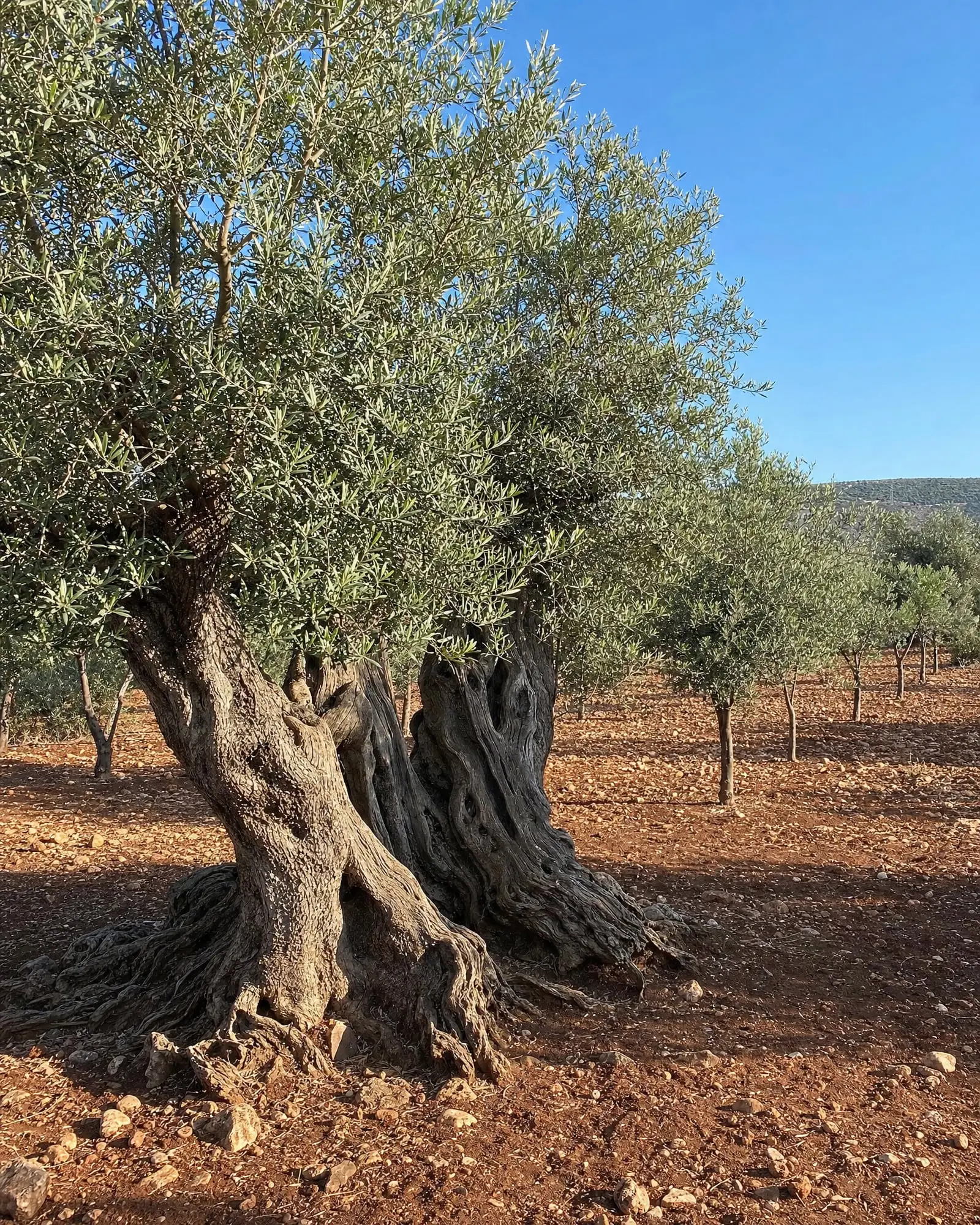
Asher's Oil and the Galilee of the Mishnah
Updated November 29, 2026
וְטֹבֵל בַּשֶּׁמֶן רַגְלוֹ“And let him dip his foot in oil”
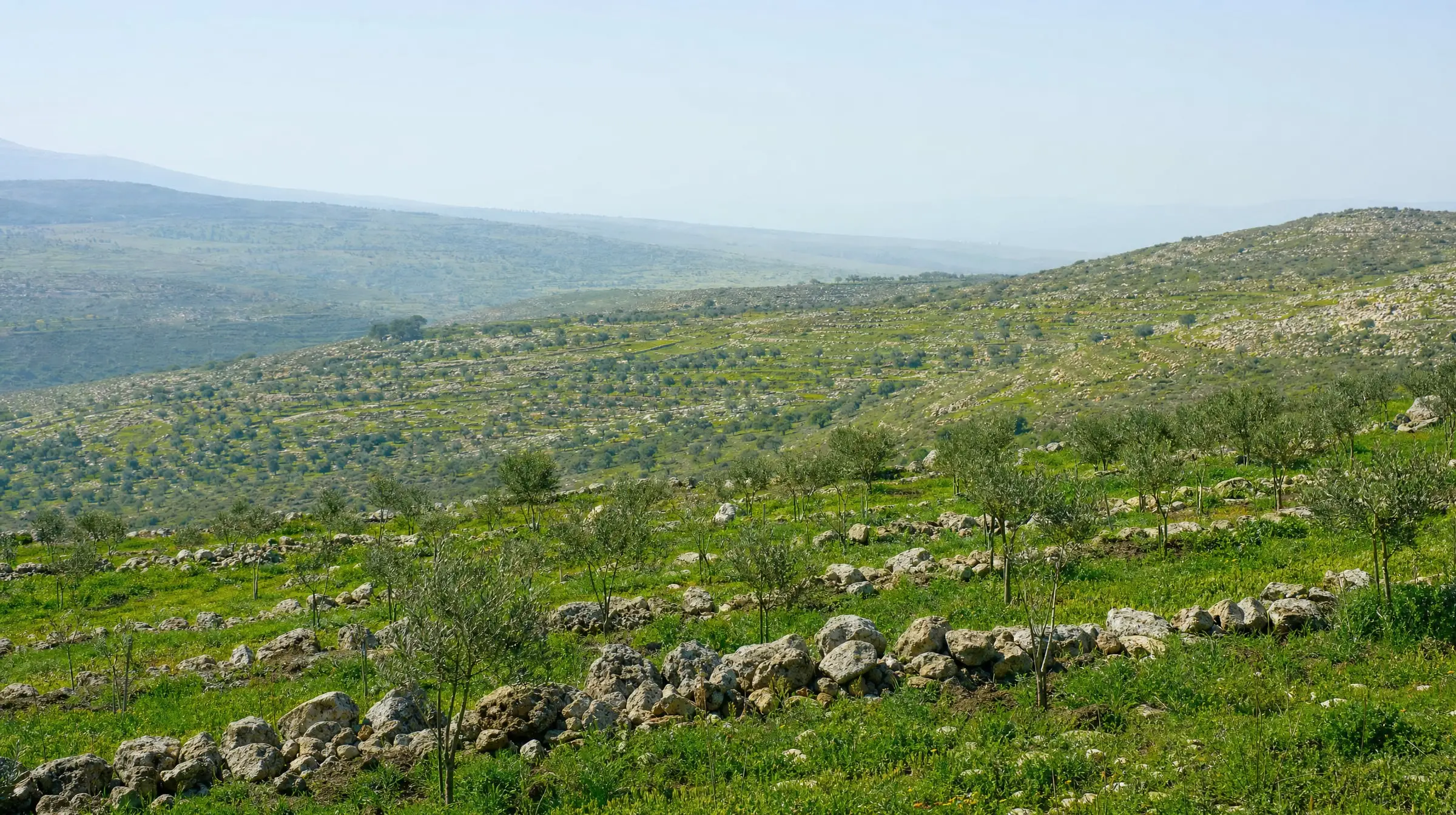
Jacob and Moses each blessed Asher, one with rich bread and one with oil. The Sages heard olive country in those words. In later generations the towns of the Galilee became seats of the Mishnah’s teachers.
The blessing of Asher
וּלְאָשֵׁר אָמַר בָּרוּךְ מִבָּנִים אָשֵׁר יְהִי רְצוּי אֶחָיו וְטֹבֵל בַּשֶּׁמֶן רַגְלוֹ
“And of Asher he said: Blessed among sons is Asher. May he be favored by his brothers, and dip his foot in oil.”
Deuteronomy 33:24
Jacob had spoken of bread: “From Asher, his bread shall be rich, and he shall give a king’s delicacies” (Genesis 49:20). Rashi explains that the food of Asher’s portion is rich because olives are plentiful there, and oil flows in it like a spring.
In the biblical division of the Galilee, Asher held the northwest. The Encyclopaedia Judaica describes western Galilee, Asher’s territory, as especially rich in olives.
Oil like a spring
זֶה חֶלְקוֹ שֶׁל אָשֵׁר, שֶׁמּוֹשֵׁךְ שֶׁמֶן כְּמַעְיָן
“This is the portion of Asher, which draws oil like a spring.”
Menachot 85b
The Talmud goes on with a story. The people of Laodicea needed a vast quantity of oil. Their agent tried Jerusalem and then Tyre, and was sent on to Gush Chalav. There he found a man hoeing under his olive trees. The man finished his work and walked home, clearing stones from the path as he went. The agent suspected a joke at his expense. At home, a maidservant brought her master warm water, and then a golden bowl of oil, in which he dipped his hands and feet. The Gemara says this fulfilled Moses’ words. Then the man measured out all the oil that had been asked for.
Gush Chalav in the first century
The ancient town is identified in the eastern Upper Galilee, northwest of Safed. In Second Temple times its surroundings were famous for choice olives and olive oil. Josephus writes that the Galilee was rich in oil. He tells how John of Gischala, a native of the town, sent it to the Jews of Syria, on the plea that they should not have to use oil made by others. Elsewhere Josephus calls the soil of the Galilee rich and fruitful, planted with trees of every kind.
Three Galilees
The Mishnah maps the region while treating the produce of the seventh year. It divides the Galilee into three, and a tree marks one of the lines.
גָּלִיל הָעֶלְיוֹן, וְגָלִיל הַתַּחְתּוֹן, וְהָעֵמֶק. מִכְּפַר חֲנַנְיָה וּלְמַעְלָן, כָּל שֶׁאֵינוֹ מְגַדֵּל שִׁקְמִין, גָּלִיל הָעֶלְיוֹן, וּמִכְּפַר חֲנַנְיָה וּלְמַטָּן, כָּל שֶׁהוּא מְגַדֵּל שִׁקְמִין, גָּלִיל הַתַּחְתּוֹן. וּתְחוּם טְבֶרְיָא, הָעֵמֶק
“Upper Galilee, Lower Galilee and the valley. From Kefar Chananyah upward, wherever sycamores do not grow is Upper Galilee. From Kefar Chananyah downward, wherever sycamores do grow is Lower Galilee. The district of Tiberias is the valley.”
Mishnah Sheviit 9:2
Where the court sat
Rosh Hashanah 31a-31b traces the stages by which the Sanhedrin moved from its chamber in the Temple. Its later seats were in the Galilee.
וּמֵאוּשָׁא לִשְׁפַרְעָם, וּמִשְּׁפַרְעָם לְבֵית שְׁעָרִים, וּמִבֵּית שְׁעָרִים לְצִפּוֹרִי, וּמִצִּפּוֹרִי לִטְבֶרְיָא
“And from Usha to Shefaram, and from Shefaram to Beit She’arim, and from Beit She’arim to Tzippori, and from Tzippori to Tiberias.”
Rosh Hashanah 31b
Rabbi Yehudah HaNasi, the redactor of the Mishnah, made his home at Beit She’arim when the Sanhedrin sat there. He later headed it at Tzippori. He died at Tzippori and was buried at Beit She’arim. Excavators there have opened a large cemetery cut into the rock, and one of its burial complexes probably belonged to his family. Of the country around Tzippori, Reish Lakish said that he had seen it flowing with milk and honey, sixteen mil by sixteen (Ketubot 111b).
The olive is one of the seven species. Read next about the Jezreel Valley.
Sources
- Deuteronomy 33:24 and Genesis 49:20: the two blessings.
- Rashi on Genesis 49:20: olives and oil in Asher’s portion.
- Menachot 85b: the oil of Asher and the story of Gush Chalav.
- Josephus, The War of the Jews 2.21.2 and 3.3.2: Galilee oil, John of Gischala and the soil of the region.
- Mishnah Sheviit 9:2: the three divisions.
- Rosh Hashanah 31a-31b: the moves of the Sanhedrin.
- Ketubot 111b: Reish Lakish near Tzippori.
- Galilee, Encyclopaedia Judaica: Asher in the northwest.
- Olive, Encyclopaedia Judaica: olives in Asher’s territory.
- Gush Halav, Jewish Virtual Library: the town’s site, its olive oil, and John.
- Bet She’arim, Israel Foreign Ministry and others: Rabbi Yehudah HaNasi at the town, and his burial there.
- Bet She’arim, Encyclopaedia Judaica: the cemetery and the family tombs.
- Zippori, Jewish Virtual Library: the Sanhedrin at Tzippori.
Quotations are given in Hebrew with their references; translations are plain renderings unless stated. This page reports what texts say and what is known about places. It gives no halachic ruling and no legal advice.